
From One Campaign to Every Platform
When working with experts, the most valuable resource is not just the footage. It is their time, their knowledge and their ability to bring a subject to life.
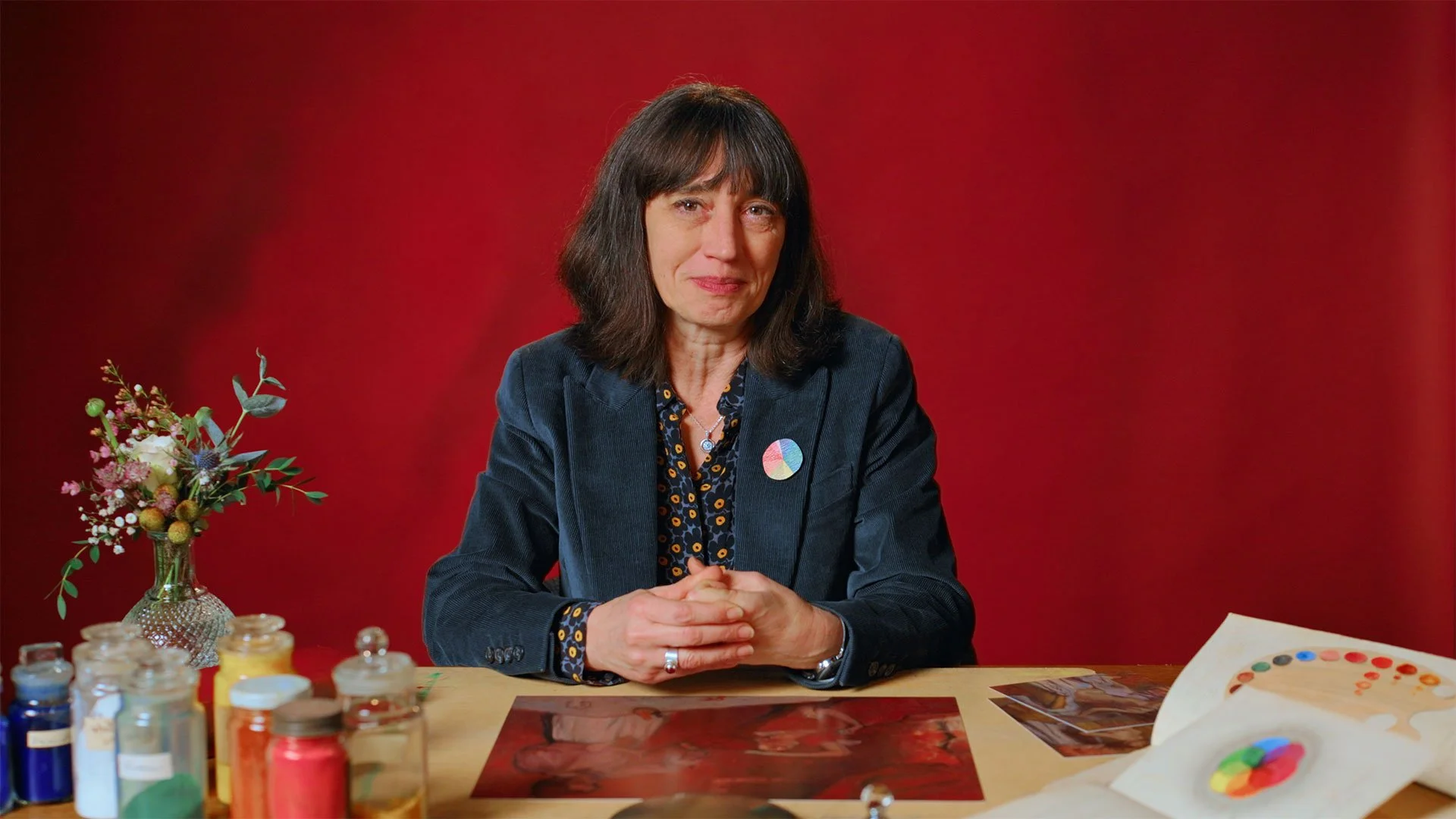
For a project with The National Gallery, we filmed experts delivering masterclass-style talks that broke down the stories behind iconic paintings. The core output was a series of 10-minute films for members: considered, educational talks that gave audiences a deeper understanding of the works, the artists and the context behind them.
But the project was never designed as a single-use filming session.
From the beginning, the aim was to create a campaign that could work across several different platforms, each with its own purpose, pace and audience. Alongside the 10-minute member films, we created edits for in-gallery video screens, YouTube and social media. Each version was tailored specifically for where it would be seen, rather than simply resized or repurposed.
This distinction is important. A video that works in a members’ area does not automatically work on a gallery screen. A 10-minute masterclass cannot simply be cut down into a 90-second reel without rethinking its structure. Each platform needs its own script, rhythm and visual treatment.
Short version of the 10min members film for in-gallery screens
Making the Most of Time with an Expert
“Social first” is a common approach in content planning, and for good reason. Social platforms are often where audiences discover an organisation for the first time. But when you have access to an expert, it is worth thinking beyond one platform from the outset.
For cultural organisations, universities, museums and galleries, expert time is incredibly valuable. Curators, academics and specialists bring depth, authority and personality to a subject, but their schedules are often limited. A well-planned shoot should therefore be designed to capture content that can serve multiple needs. One campaign, planned intelligently across every platform.
Preparation Makes the Difference
The success of a multi-platform shoot depends heavily on preparation.
Before filming, we worked with the experts to shape the material for different audiences and contexts. A longer-form talk allows space for detail, atmosphere and explanation. A social edit needs a stronger hook, a faster route into the story and a clear reason for someone to keep watching.
This means the scripting process cannot be treated as one-size-fits-all. The expert may be discussing the same painting, but the delivery needs to shift depending on the platform.
Good preparation also helps the experts feel confident on camera. Many specialists are brilliant communicators, but filming for digital platforms is different from giving a lecture, writing an essay or speaking to a live audience. Part of our role is to help translate that expertise into a format that feels natural, engaging and clear on screen.
That preparation makes the filming day more efficient, but also leads to stronger performances. The expert knows what each version of the content is trying to achieve, and the production team knows exactly what needs to be captured.
Why Masterclass-Style Content Works
Educational content does not have to feel flat or purely functional. A masterclass-style approach gives expert-led films a greater sense of occasion.
For The National Gallery project, the aim was to create films that felt thoughtful, polished and immersive. These were not simply recorded lectures. They were carefully produced pieces of content that reflected the authority and quality of the institution behind them.
That distinction matters. For a cultural brand, production quality is part of the message. The way a film looks, sounds and feels tells the audience something about the organisation. When the content is well-lit, carefully framed and confidently edited, it reinforces the value of the expertise being shared.
A strong masterclass format also helps audiences connect with the expert. It gives space for personality, emphasis and storytelling. Rather than feeling like a passive lecture, the film becomes a guided encounter with an artwork.
The Importance of Set Decoration
Small production choices can make a significant difference to how expert-led content feels.
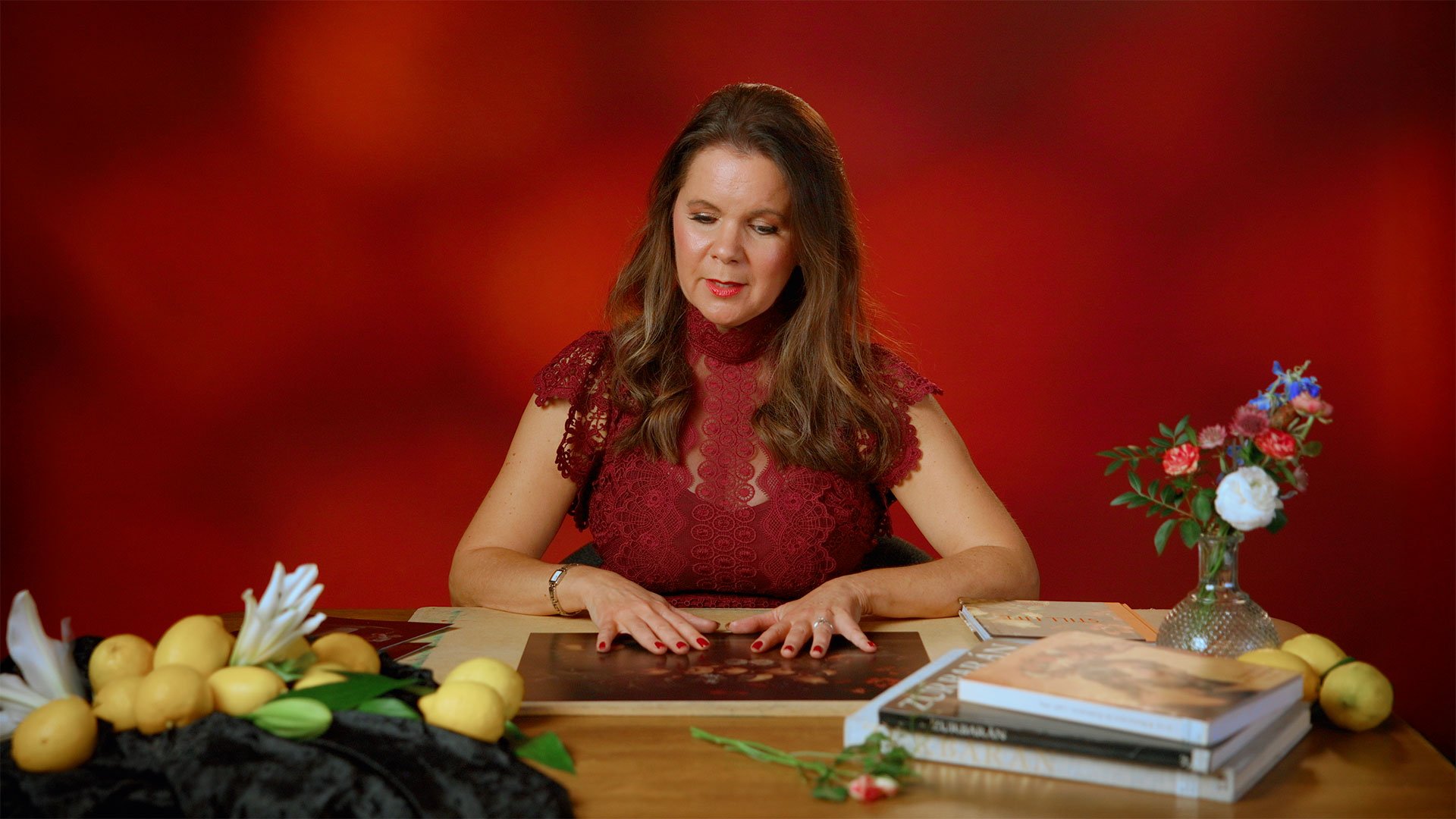
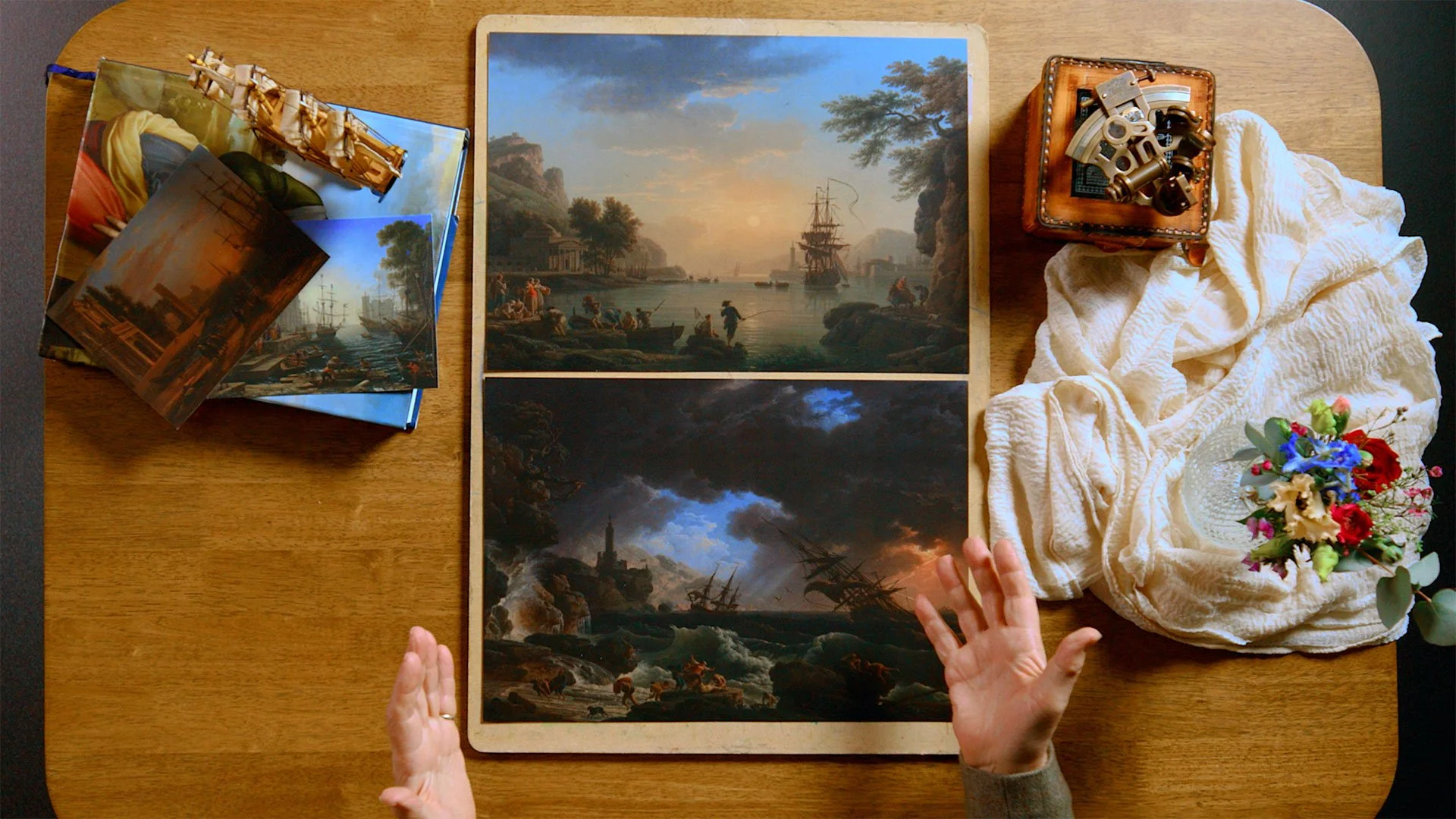
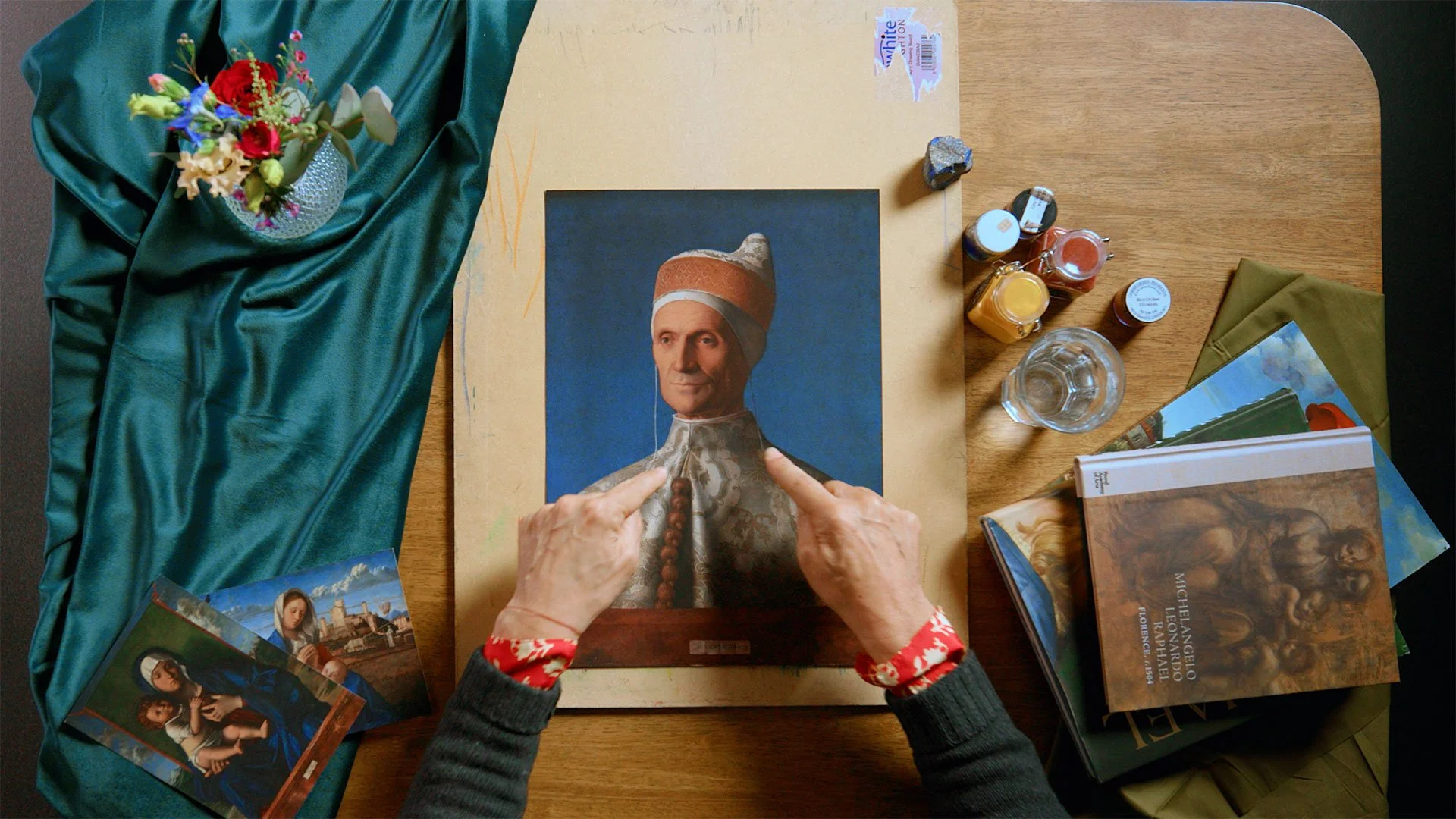
Set decoration is one of the most effective ways to elevate a shoot. The right background, furniture, props, lighting and framing can turn a simple talking-head setup into something that feels considered and premium.
For a project connected to iconic paintings, the visual environment matters. The set needs to support the tone of the content and reflect the quality of the institution. It should feel appropriate to the subject without distracting from the speaker.
This is especially important when filming multiple outputs in one session. A strong set gives every version of the content a consistent visual identity, whether it appears as a 10-minute members’ film, a YouTube edit, an in-gallery video or a short social clip.
One Subject, Different Edits
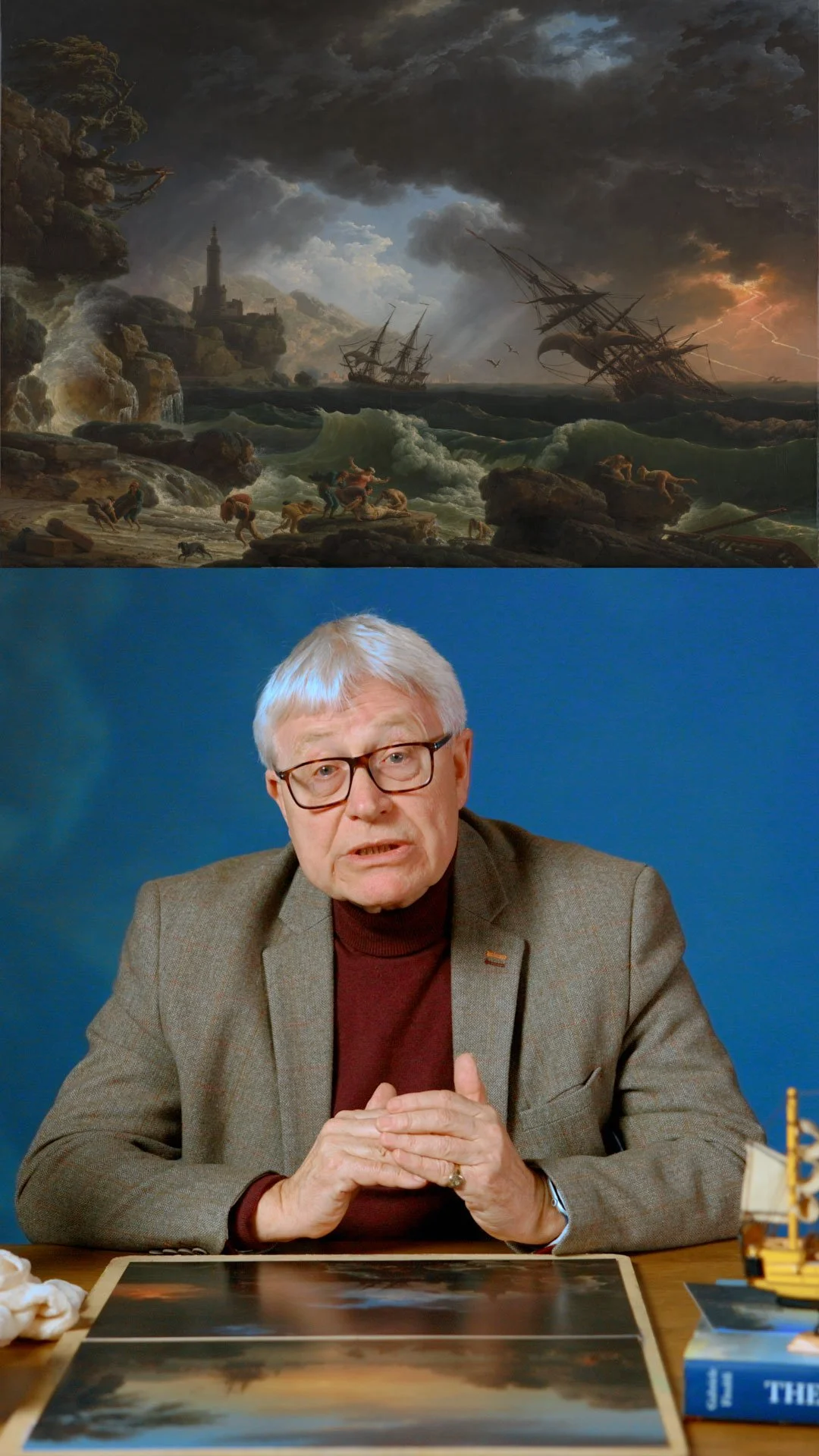
The pacing of a 10-minute educational film is completely different from the pacing of a 90-second reel.
A longer film can build gradually. It can introduce context, develop an argument and allow the expert to guide the viewer through a story with nuance. The edit can hold moments for longer, give the artwork breathing space and let the viewer settle into the subject.
A short social edit needs a different treatment. It needs to capture attention quickly, establish the idea clearly and move with more urgency. The structure may need to be rearranged so that the most intriguing point comes first. The edit may lean more heavily on visual details, captions, rhythm and directness.
In-gallery content has another set of requirements again. It may need to work in a public space, with people encountering it midway through or watching without headphones. It needs clarity, visual strength and a format that suits the physical environment.
This is why platform-specific thinking is essential. The best results come when each edit is treated as its own piece of communication, not as a by-product of the main film.
A Campaign, Not Just a Shoot
The real value of this project came from approaching the filming as a campaign rather than a single output.
By planning carefully, working closely with experts and considering each platform from the start, we were able to create a suite of content that served multiple audiences and contexts. Members received a deeper educational experience. Gallery visitors encountered expert insight in the physical space. YouTube audiences had access to polished, searchable content. Social audiences were introduced to the stories in a shorter, more immediate format.
Each version had a different role to play, but all came from the same core idea: using expert knowledge to bring iconic paintings to life.
For cultural organisations, this approach makes the most of the expertise already within the institution. It respects the time of specialists, increases the value of a filming day and creates content that feels purposeful across every channel.
The lesson is simple: when you have access to an expert, don’t just ask what film you need. Ask where that expertise could live, who it could reach and how each platform can bring a different part of the story to life.